Why Reishi Has Become the Evening Ritual Worth Knowing

The Ancient Mushroom Finding a Modern Moment
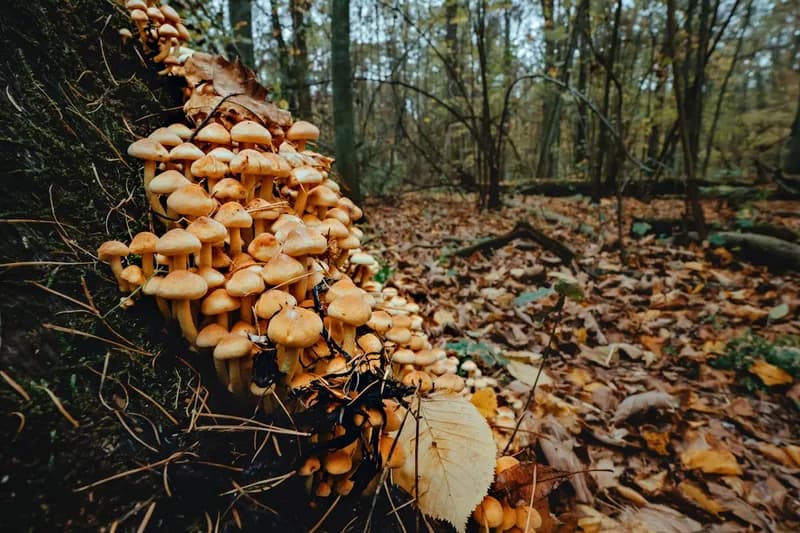
Reishi has been used in traditional wellness practices across East Asia for thousands of years, revered as the "mushroom of immortality" in classical texts. Today, it is finding a very different kind of audience — people looking for a grounded, natural way to support relaxation at the end of a long day.
Interest in reishi has surged across the wellness space in 2026, with sleep-focused reishi teas appearing everywhere from specialty cafes to mainstream grocery shelves. That momentum is not just marketing. It reflects a growing body of conversation among nutritionists, herbalists, and curious everyday consumers who are paying closer attention to how adaptogens can fit into a calming evening ritual.
What Reishi Actually Does in the Body
Reishi contains a group of compounds called triterpenes, along with beta-glucans, that researchers believe may support the nervous system's ability to shift into a more restful state. Rather than acting as a sedative, reishi is thought to work more gently — helping the body ease tension and find its natural rhythm toward sleep.
A registered dietitian interviewed by a major wellness outlet noted that functional mushrooms like reishi are particularly interesting because they appear to work with the body's existing systems rather than overriding them. That distinction matters. People exploring reishi are generally not looking for a knock-out effect — they are looking for support.
Experts writing for GQ in April 2026 echoed this framing, noting that mushroom supplements show real promise for stress and sleep when chosen carefully and used consistently. Consistency is a key word here. Adaptogens tend to build their effects over time, and reishi is no exception. A one-night trial may offer something, but the more meaningful shifts are typically reported after several weeks of regular use.
Building a Ritual Around Reishi
One of the more compelling aspects of reishi is how naturally it fits into an evening wind-down. Brewed into a warm tea or blended into a cacao drink about an hour before bed, it becomes part of a moment rather than just a supplement. That ritual quality — the pause, the warmth, the intention — is itself a meaningful part of relaxation.
Multiple personal accounts from wellness writers in early 2026 described genuinely improved sleep after incorporating reishi tea into their nightly routine, with one noting a notable sense of calm that made falling asleep feel less effortful. Results vary, of course, and individual experience depends on many factors. But the pattern is consistent enough to be worth exploring.
If your evenings feel rushed or restless, reishi offers a quiet, grounded place to start.
Sources
Related Posts
Reishi and Turkey Tail: Your Immune System's Quiet Allies
Two of the most studied functional mushrooms — reishi and turkey tail — are drawing fresh attention for their role in supporting immune balance. Here is what the growing research suggests.
What Lion's Mane Actually Does to Your Brain
Lion's Mane has become one of the most talked-about functional mushrooms for mental clarity and focus. Here is what the current research actually says — and what it does not.
What Adaptogens Actually Do and Why It Matters
Adaptogens are ancient plant allies that are finally getting the modern attention they deserve. Here is what the science says and why your morning routine might be the best place to start.
Love what you read?
Explore our blends and ritual goods.
Visit the Shop