Mushroom Coffee vs Regular Coffee: What Actually Changes in Your Cup

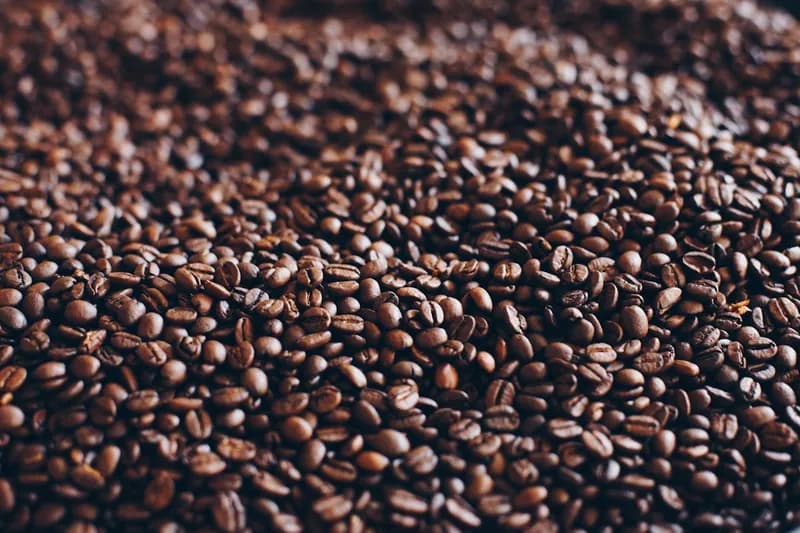
If you have noticed mushroom coffee showing up everywhere lately — from wellness feeds to Target shelves — you are not imagining things. What began as a wartime substitution in Finland has quietly grown into one of the most talked-about functional beverages of the decade. But beyond the momentum, a fair question deserves a grounded answer: how does mushroom coffee actually differ from the regular stuff, and does that difference matter?
What Gets Added — and What Gets Reduced
At its core, mushroom coffee is still coffee. Most blends combine real ground or instant coffee with powdered extracts from functional mushrooms like lion's mane, reishi, chaga, cordyceps, or turkey tail. The result is a drink that tastes recognizably like coffee — earthy, slightly deeper — but carries a different nutritional profile.
One of the most consistent differences is caffeine content. Many mushroom coffee blends use less coffee than a standard brew, which means a meaningfully lower caffeine load per cup. For people who love coffee but find themselves feeling wired, anxious, or jittery after a regular cup, this reduction alone can shift the experience considerably. A number of regular drinkers report that the calm-but-alert feeling they get from mushroom coffee is noticeably different from the sharp spike-and-crash pattern that straight caffeine can bring.
The functional mushrooms themselves contribute compounds that plain coffee simply does not contain — things like beta-glucans, antioxidants, and adaptogenic compounds that have been the subject of growing research interest. It is worth being honest here: the science is still developing, and no mushroom coffee blend should be understood as a substitute for medical care. What researchers and nutritionists are exploring is whether these compounds support the body's natural resilience over time, particularly in areas like stress response, cognitive function, and immune balance.
The Ritual Stays, the Experience Shifts
One thing that often gets overlooked in the mushroom coffee conversation is what stays the same: the ritual. The warmth of the cup, the pause before the day begins, the sensory comfort of a morning brew — none of that disappears. For many people, that ritual carries real value for mental well-being, and mushroom coffee honors it completely.
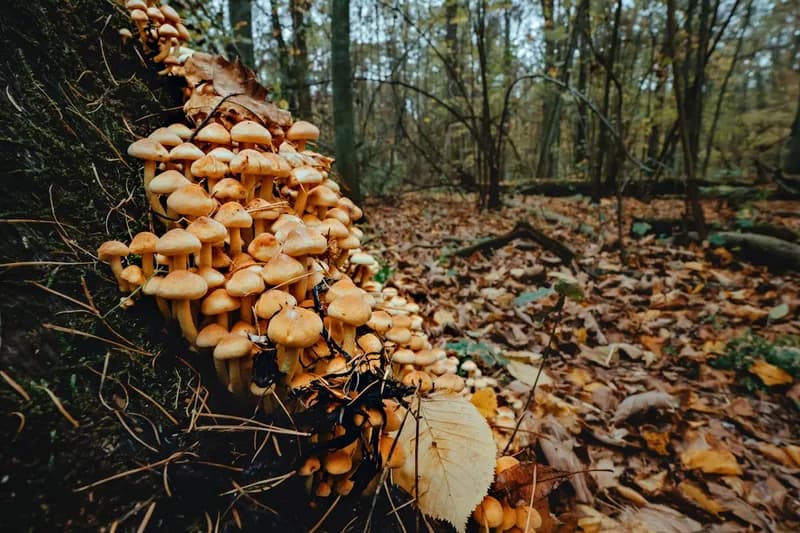
What shifts is the intention behind the cup. Rather than reaching for a jolt, you are reaching for something that works with your body's rhythms rather than overriding them. That is a subtle but meaningful reframe — and it is part of why so many people find the transition from regular coffee to a functional blend feels less like giving something up and more like stepping into something more considered.
Mushroom coffee is not magic, and it is not right for everyone. But as a thoughtful alternative or complement to your regular cup, it offers a genuinely different experience — one that a growing number of curious, health-conscious people are finding worth exploring.
Sources
- The real reason mushroom coffee delivers energy without the anxiety
- Mushroom coffee vs regular coffee — experts (and a coffee addict) weigh in
- Here's What Mushroom Coffee Can (and Can't) Do for You
- How Four Sigmatic mushroom coffee compares to regular brewed coffee
- Farewell regular flat white. 'Functional' coffees are hitting the high street
Related Posts
Reishi and Turkey Tail: Your Immune System's Quiet Allies
Two of the most studied functional mushrooms — reishi and turkey tail — are drawing fresh attention for their role in supporting immune balance. Here is what the growing research suggests.
What Lion's Mane Actually Does to Your Brain
Lion's Mane has become one of the most talked-about functional mushrooms for mental clarity and focus. Here is what the current research actually says — and what it does not.
What Adaptogens Actually Do and Why It Matters
Adaptogens are ancient plant allies that are finally getting the modern attention they deserve. Here is what the science says and why your morning routine might be the best place to start.
Love what you read?
Explore our blends and ritual goods.
Visit the Shop