Lion's Mane and the Thinking Brain: What the Research Says

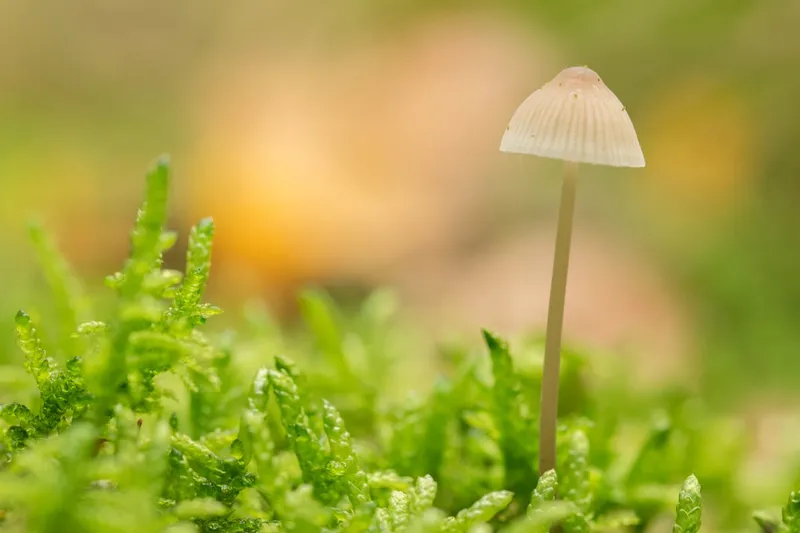
Somewhere between ancient forest floors and modern wellness routines, Lion's Mane has found its moment. This shaggy, white mushroom — named for its cascading, mane-like appearance — has moved from niche health food stores into serious scientific conversation, and the curiosity surrounding it is well deserved.
What Makes Lion's Mane Different
Most functional mushrooms are celebrated for their adaptogenic qualities: helping the body respond to stress, supporting energy, or promoting calm. Lion's Mane stands apart because its most studied properties are neurological in nature.
The mushroom contains two unique compounds, hericenones and erinacines, which researchers have been investigating for their potential to support the production of Nerve Growth Factor (NGF) — a protein that plays a role in the maintenance and growth of neurons in the brain. In plain terms, these compounds may help support the conditions your brain needs to stay sharp and adaptable over time.
Early human studies have looked at areas like memory, focus, and mild cognitive function in older adults, with some encouraging results. It is worth noting that this research is still developing, and most scientists are careful to frame their findings as promising rather than definitive. That kind of measured enthusiasm is actually a good sign — it means the conversation is grounded in real observation rather than marketing noise.
A Growing Conversation in Wellness Culture

It is no coincidence that functional mushrooms have become a significant cultural moment right now. As The Economist noted in early 2026, mushrooms have moved firmly into mainstream wellness, with consumers turning to different varieties for targeted support — from cordyceps for energy to reishi for calm. Lion's Mane sits at a particularly interesting intersection: the desire for mental clarity in a world that demands a great deal of cognitive effort every day.
This is not trend-chasing. For many people, the appeal of Lion's Mane is that it fits naturally into a broader commitment to supporting long-term wellbeing through diet, ritual, and intentional choices. A morning cup of mushroom coffee becomes less about a quick fix and more about a thoughtful, daily practice.
How to Bring It Into Your Routine
Consistency tends to matter with functional mushrooms. Unlike caffeine, which offers an immediate and familiar effect, Lion's Mane is better understood as something you build into your routine over time. Many people blend it into their morning coffee, where it pairs naturally with the focus-enhancing qualities of caffeine without the edge that sometimes comes with coffee alone.

The ritual itself has value too. Taking a moment each morning to prepare something intentional — something that acknowledges the connection between what you consume and how you feel — is its own kind of cognitive practice.
Whether you are drawn to Lion's Mane out of curiosity or a longer wellness journey, it is a worthwhile addition to explore.
Sources
Related Posts
Reishi and Turkey Tail: Your Immune System's Quiet Allies
Two of the most studied functional mushrooms — reishi and turkey tail — are drawing fresh attention for their role in supporting immune balance. Here is what the growing research suggests.
What Lion's Mane Actually Does to Your Brain
Lion's Mane has become one of the most talked-about functional mushrooms for mental clarity and focus. Here is what the current research actually says — and what it does not.
What Adaptogens Actually Do and Why It Matters
Adaptogens are ancient plant allies that are finally getting the modern attention they deserve. Here is what the science says and why your morning routine might be the best place to start.
Love what you read?
Explore our blends and ritual goods.
Visit the Shop