What Ancient Cacao Rituals Can Teach Us About Modern Mornings

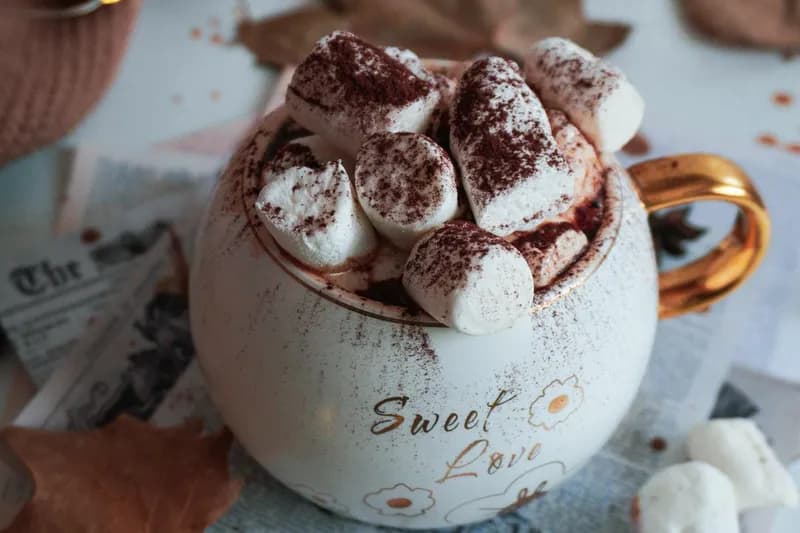
Long before cacao became the base of a candy bar or the flavor of a latte, it was something far more deliberate. Ancient Mesoamerican cultures — the Maya and Aztec among them — prepared cacao as a ceremonial drink, reserved for moments of meaning: rituals, gatherings, offerings. It was never quite just a beverage. It was an intention.
That history is worth revisiting, especially as more people search for morning rituals that feel grounded rather than rushed.
A Brief History Worth Knowing
Cacao's story stretches back thousands of years. Early preparations were nothing like modern hot chocolate — they were often unsweetened, blended with spices, and consumed with a kind of reverence that modern culture rarely brings to food or drink. As that history has been revisited in recent years, many wellness practitioners have started asking a fair question: what did those cultures understand about cacao that most of us have forgotten?
Ceremonial-grade cacao is minimally processed, made from whole cacao paste rather than the isolated powders found in most kitchens. That distinction matters. The full cacao bean retains compounds — including theobromine, magnesium, and various antioxidants — that are often stripped away during conventional processing. Theobromine in particular is a gentle, naturally occurring stimulant that tends to produce a slower, steadier sense of alertness compared to caffeine.
Why the Morning Window Matters
Wellness writers and practitioners have increasingly pointed to the morning as the most valuable real estate in a person's day. Habits stacked early tend to have an outsized effect on mood, focus, and how the rest of the hours unfold. Recent coverage in the wellness space has highlighted ceremonial cacao as a meaningful alternative or complement to coffee — not because it performs the same function, but because it invites a different quality of attention.
Preparing cacao slowly, with warm water or plant-based milk and a moment of quiet, is a small act of care. That kind of intentional pause is difficult to replicate with a grabbed cup and a commute. The ritual itself is part of what makes it worthwhile.
Bringing It Into Your Own Practice
Starting a cacao practice does not require elaborate ceremony or specific beliefs. It simply asks for a few extra minutes and a willingness to slow down. Some people pair it with journaling or breathwork. Others use it as a quiet anchor before a busy day begins. The form matters less than the consistency.

What the ancient world seemed to understand is that how you consume something shapes your relationship to it. Cacao, approached with that kind of awareness, becomes less of a morning habit and more of a morning ritual — and that difference, however subtle, tends to be felt.
Sources
Related Posts
Reishi and Turkey Tail: Your Immune System's Quiet Allies
Two of the most studied functional mushrooms — reishi and turkey tail — are drawing fresh attention for their role in supporting immune balance. Here is what the growing research suggests.
What Lion's Mane Actually Does to Your Brain
Lion's Mane has become one of the most talked-about functional mushrooms for mental clarity and focus. Here is what the current research actually says — and what it does not.
What Adaptogens Actually Do and Why It Matters
Adaptogens are ancient plant allies that are finally getting the modern attention they deserve. Here is what the science says and why your morning routine might be the best place to start.
Love what you read?
Explore our blends and ritual goods.
Visit the Shop